

How to Download DJ Music for Free Legally – A Practical Guide for UK DJs
Understanding the Legal Landscape
Before you start searching for tracks, it is essential to grasp the legal framework that governs music distribution in the United Kingdom. Copyright law protects most recordings, meaning that unauthorised copying or redistribution can lead to fines or takedown notices. However, many artists and labels deliberately release music under licences that permit free sharing, provided certain conditions are met.
These licences, such as Creative Commons or label‑specific promotional agreements, outline exactly how a track may be used, whether it can be modified, and if attribution is required. Familiarising yourself with the most common licence types helps you avoid inadvertent infringement while still enjoying a rich catalogue of free DJ music.
Where to Find Free DJ Music Legally
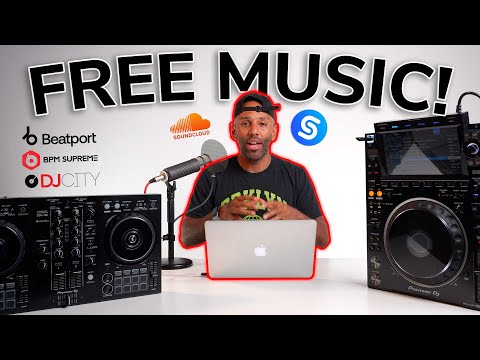
There are several reputable platforms that specialise in offering tracks you can download DJ music for free legally. Each source has its own focus, ranging from emerging producers to established labels looking to promote new releases.
| Platform | Licence Type | Notable Genres | Access Method |
|---|---|---|---|
| SoundCloud (Free Tracks) | Creative Commons / Artist‑granted | Electronic, House, Techno | Direct download button or third‑party downloader |
| Bandcamp (Free or “Name Your Price”) | Artist‑granted, often for promotional use | Indie, Disco, Bass | Download after entering email or paying zero |
| Beatport Free | Label‑approved promotional licence | EDM, Trance, Drum & Bass | Sign‑up and download via user dashboard |
| Free Music Archive | Creative Commons (various) | Ambient, House, Dubstep | Search and click the download icon |
| Record Label Newsletters | Label‑specific promotional licence | Varies by label | Receive links via email after subscription |
The table above summarises the most popular options, highlighting the type of licence you can expect and the typical genres each platform favours. By matching a platform’s licence with your intended use—whether it’s a club set, a radio mix, or a private rehearsal—you can quickly narrow down the best source for your needs.
Creative Commons Platforms
Websites that host Creative Commons‑licensed music give you the freedom to download and even remix tracks, provided you credit the creator where required. When browsing, look for the CC‑BY, CC‑BY‑SA, or CC‑0 symbols, which indicate the level of permission granted. Many UK‑based collectives use these licences to support the underground scene.
To verify a track’s licence, click the information icon or read the description beneath the player. If the licence is ambiguous, it is safest to assume the track is not free for commercial use and seek clarification from the uploader.
Record Label Promotion Sites
Major and independent labels often run promotional campaigns that allow DJs to download selected singles at no cost. These tracks are typically offered to generate buzz ahead of a full release, and the licences usually permit public performance in clubs or streaming sets. Signing up for a label’s mailing list is a straightforward way to receive such offers.
Keep an eye on seasonal promotions, such as “Free Friday” or “Summer Release Packs”, which bundle several tracks together. While the music is free, the promotional licence may restrict use in commercial mixes that are sold or monetised on platforms like Spotify.
Evaluating Quality and Compatibility
Free tracks can vary dramatically in production quality, so it is wise to audition each file before adding it to your performance library. Listen for clear bass response, balanced mids, and a clean stereo image – attributes that translate well on a club sound system.
Compatibility with your DJ software or hardware is another critical factor. Most modern gear supports MP3 and WAV files, but some controllers require specific formats such as AIFF or FLAC. When downloading, check the file type and, if necessary, use a reputable conversion tool to match your workflow.
How to Download DJ Music Safely
Even legitimate sites can be compromised by malicious ads or fake download links. To protect your computer and your reputation, follow these safety steps:
- Verify the URL – ensure the site uses HTTPS and the domain matches the official platform.
- Use a dedicated antivirus scanner on each downloaded file before adding it to your library.
- Avoid third‑party “download‑all” tools that bypass the platform’s licence checks.
- Keep your operating system and DJ software up to date to minimise vulnerabilities.
By treating each download as a potential security risk, you minimise the chance of introducing malware into your gig‑ready setup.
Organising Your Free Music Library
A well‑structured library saves you precious minutes when preparing a set. Start by creating top‑level folders for each genre, then sub‑folders for mood, BPM range, or key. Tagging tracks with proper ID3 metadata – including title, artist, genre, and BPM – ensures that your software can sort and filter efficiently.
Consider using a dedicated library manager such as Rekordbox, Traktor, or Serato, which can automatically read and display BPM and key information. Regularly back up your collection to an external drive or cloud storage to avoid losing hours of curated tracks.
Using Free Tracks in Live Sets – What You Need to Know
Even when a track is free to download, the licence may impose conditions on public performance. Most promotional licences allow you to play the track in a club or festival setting, but they may forbid inclusion in a commercial release or a monetised livestream.
Before you press play, double‑check the licence details attached to the track. If the licence requires attribution, include the artist’s name in your set list or on‑screen credits where possible. This not only respects the creator’s rights but also builds goodwill within the DJ community.
Common Pitfalls and How to Avoid Them
One frequent mistake is assuming that “free download” automatically means “free to use”. Many platforms provide the file at no cost but retain rights that restrict commercial exploitation. Always read the fine print and keep a record of the licence terms for each track.
Another issue is neglecting to update your collection with the latest versions of tracks. Labels sometimes replace promotional versions with final releases that have different licences. Periodically review your library and replace outdated files with the most current, licence‑compliant versions.
Frequently Asked Questions
The following questions address the most common concerns DJs have when they start to download DJ music for free legally. If you are unsure about a particular licence or workflow, these answers should give you a clear starting point.
- Can I use free DJ tracks in a paid DJ‑mix release? Generally no, unless the licence explicitly permits commercial distribution. Check the licence or contact the artist for permission.
- Do I need to credit the artist when playing a free track live? If the licence includes an attribution requirement (e.g., CC‑BY), you should credit the artist in your set notes or promotional material.
- Are there any UK‑specific platforms for free DJ music? Yes, platforms such as Mixcloud’s “Free for DJs” section and local label newsletters often provide UK‑focused releases.
- What file formats are safest for DJ software? MP3 and WAV are universally supported; however, lossless formats like FLAC provide higher audio fidelity when storage space is not a constraint.
By following the steps outlined above, you can confidently download DJ music for free legally, build a robust library, and stay compliant with copyright regulations. For more resources, visit the official site.